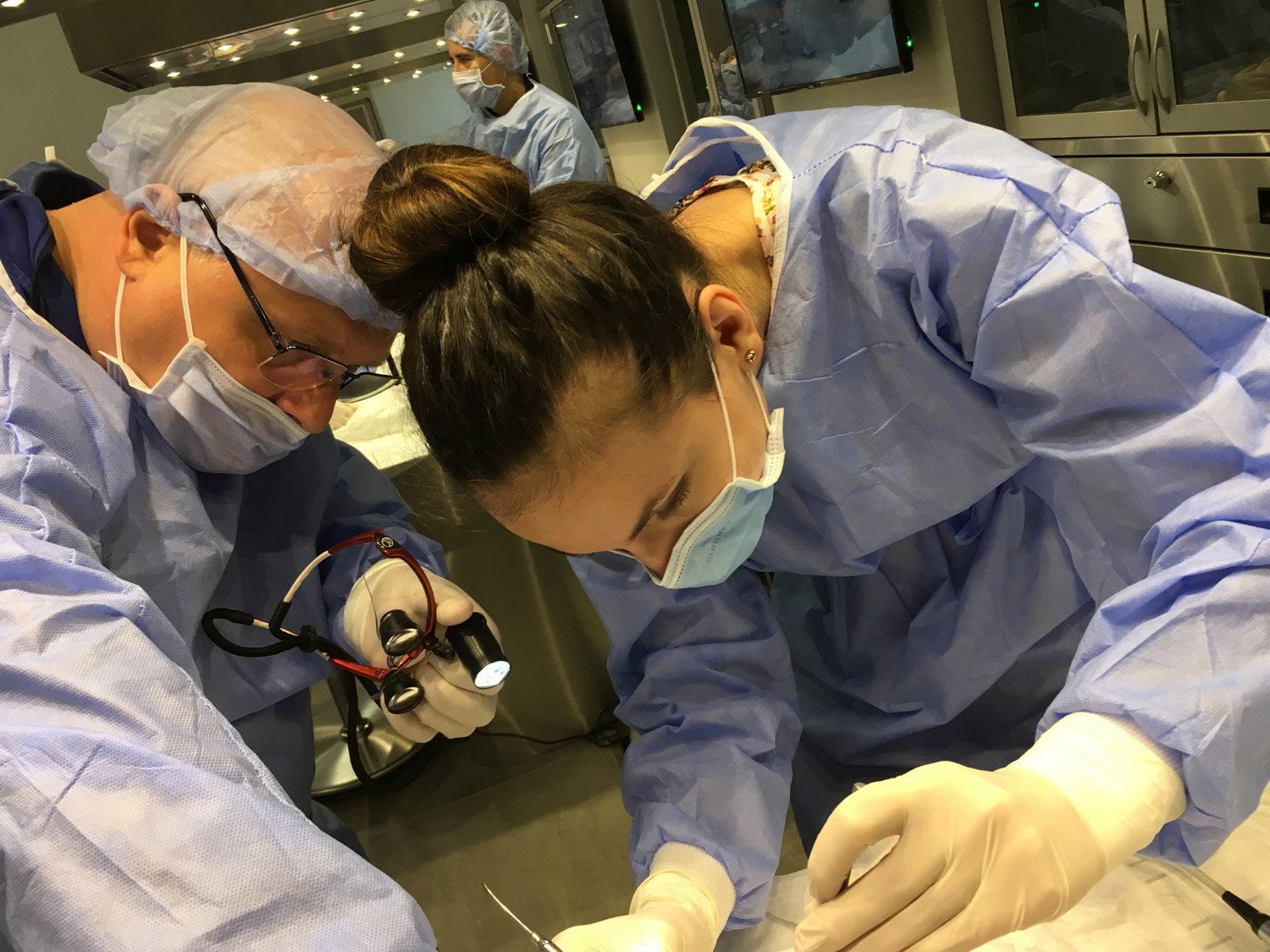
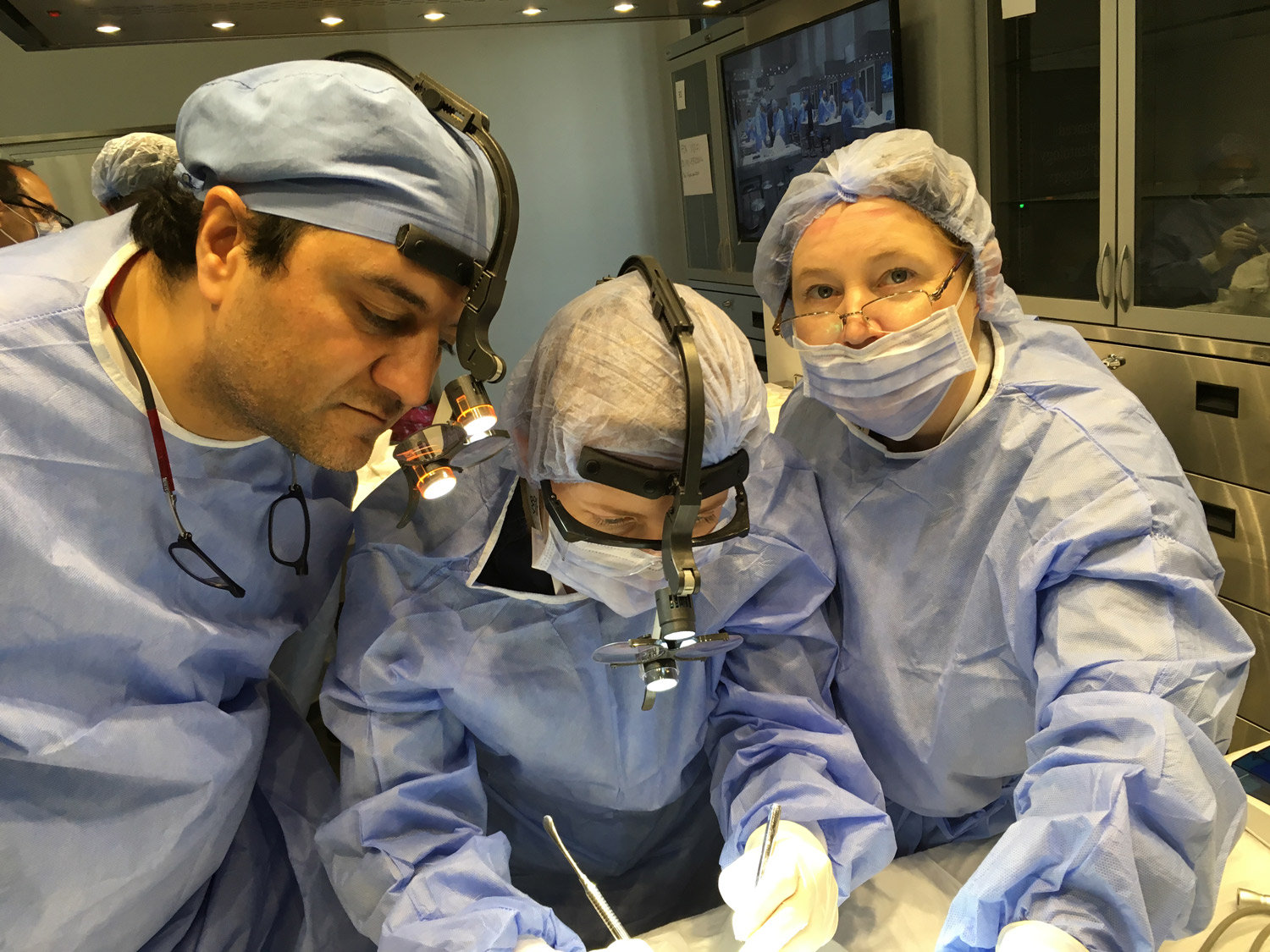
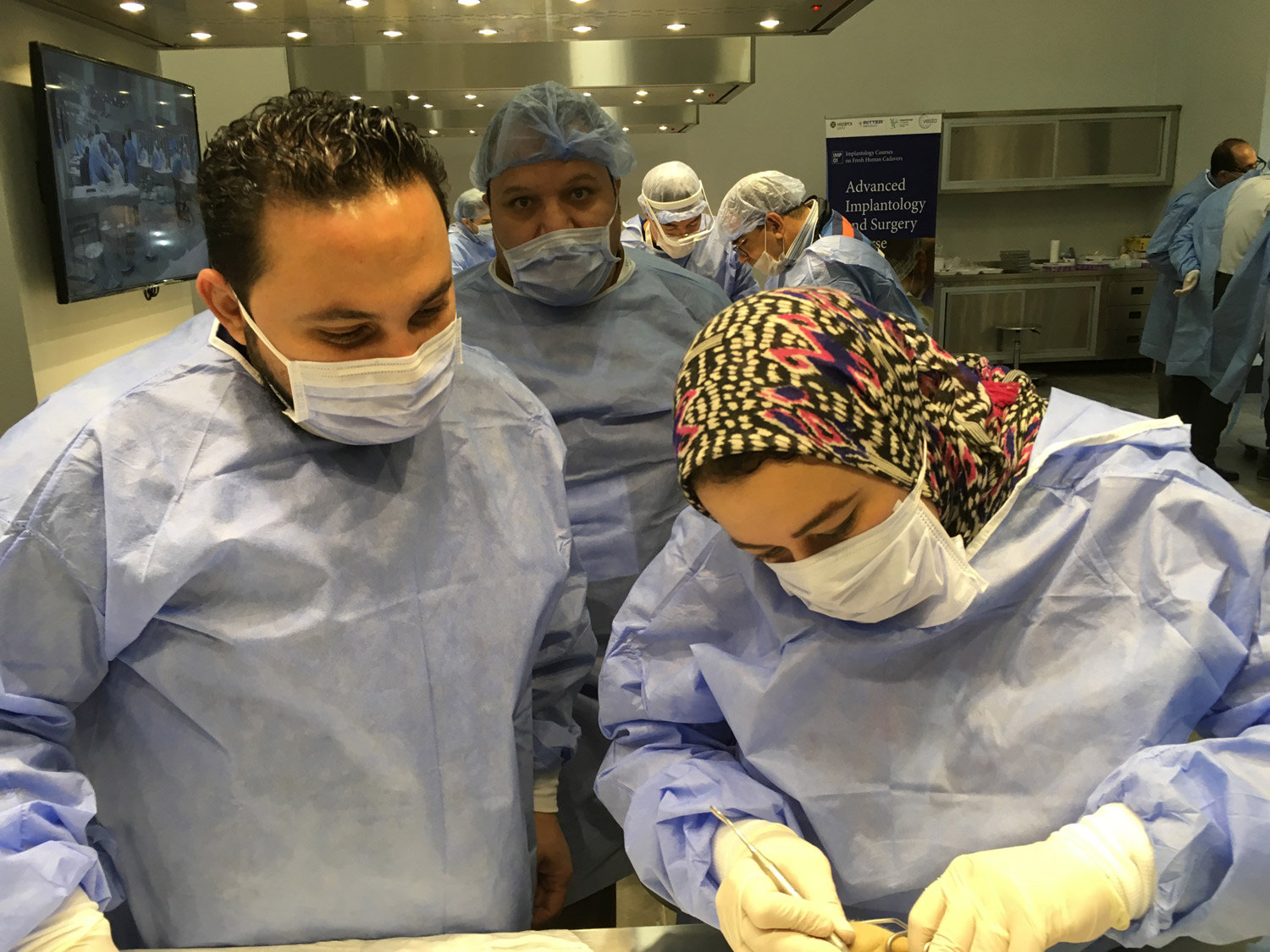
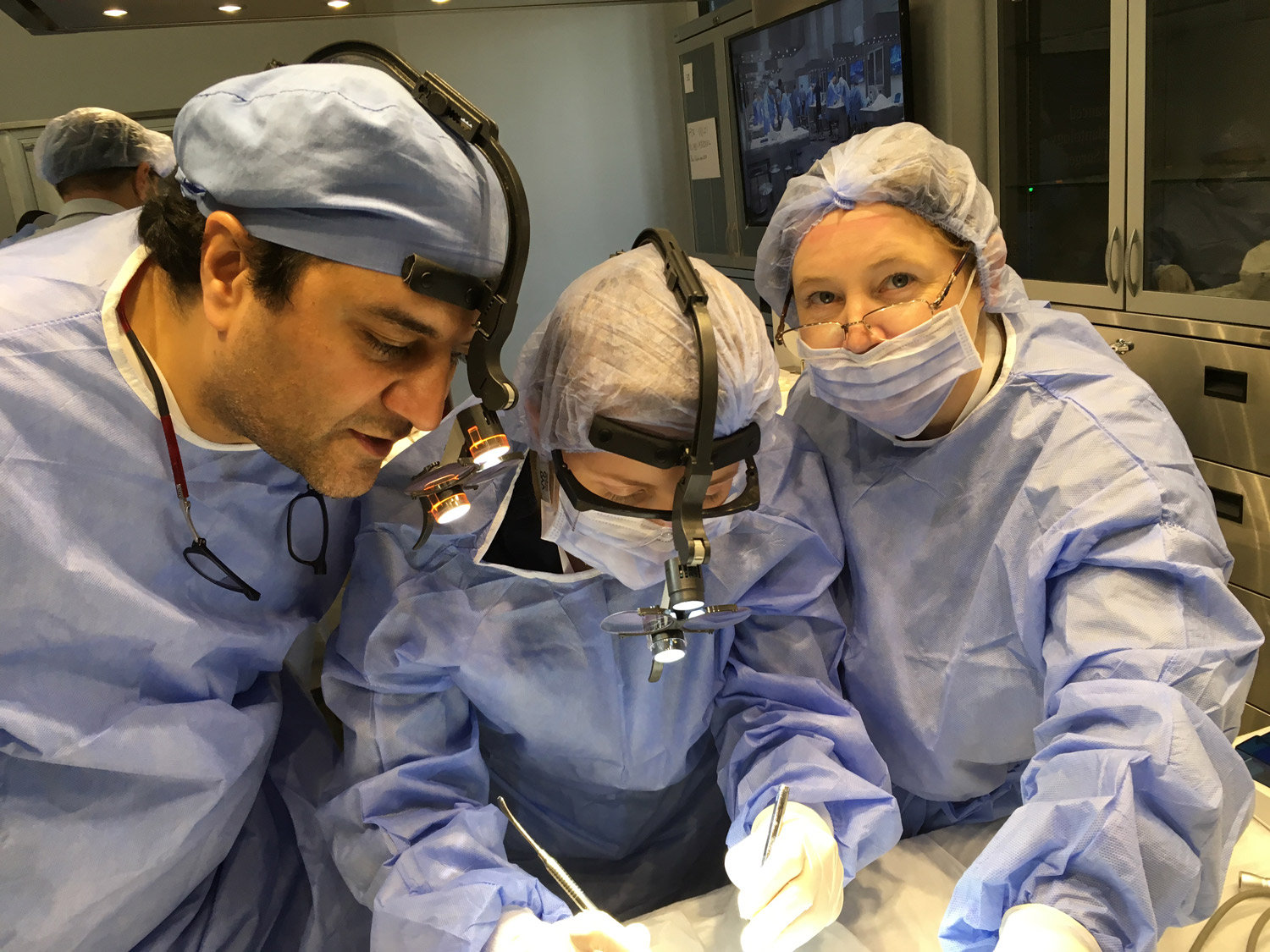
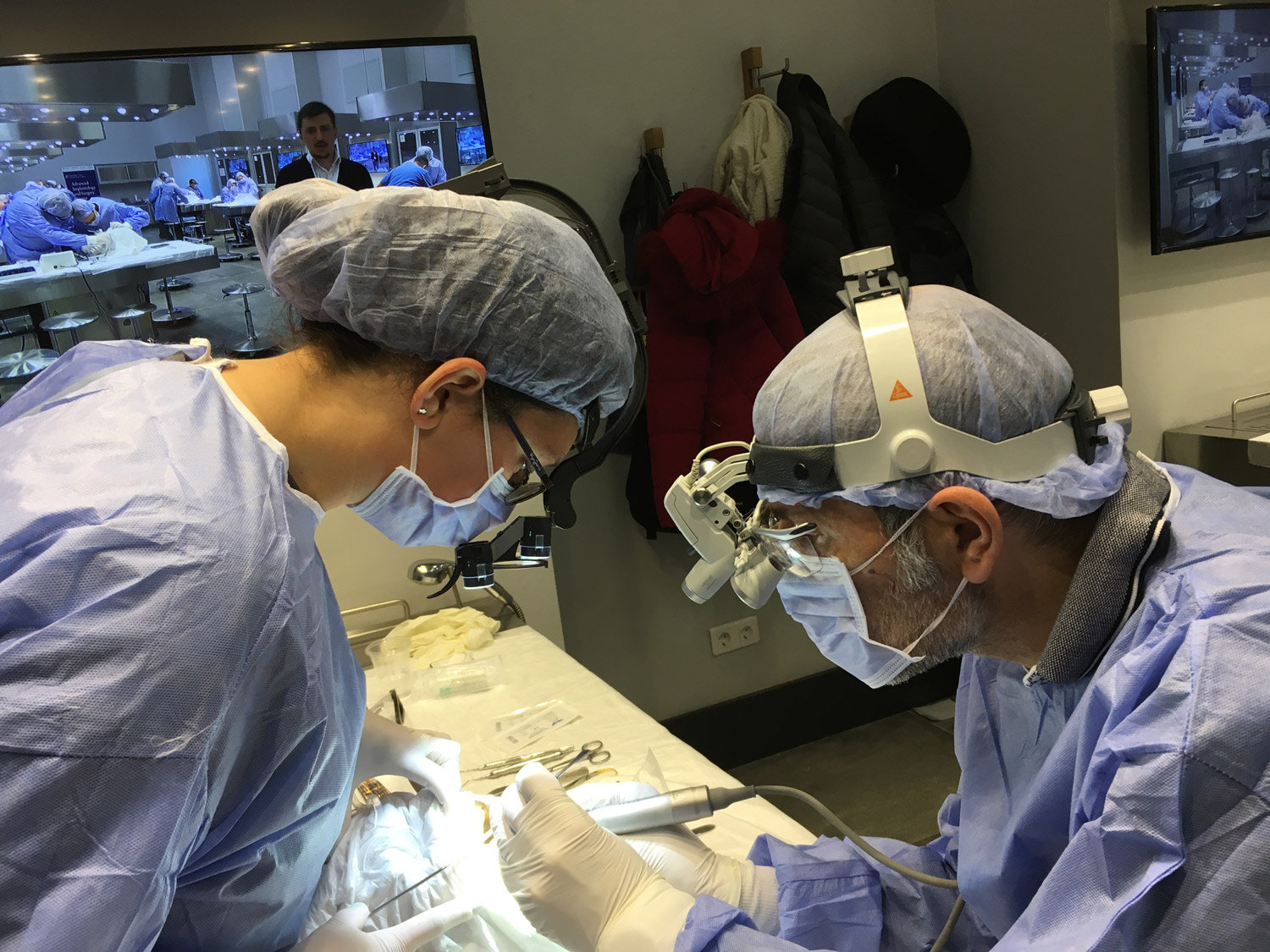
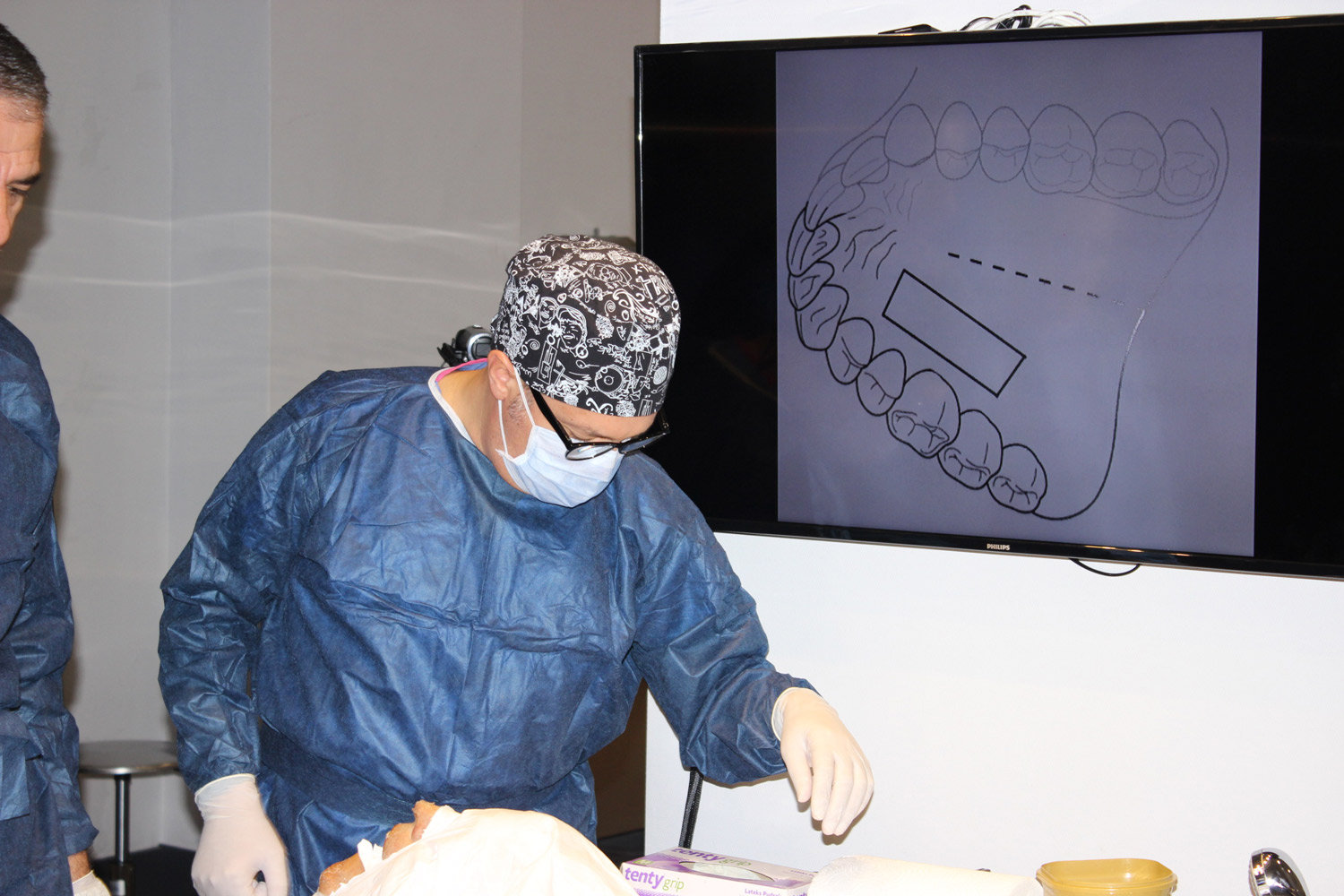
A hands-on foundation course for dentists who want to start placing implants: structured theory, then surgery on the lower jaw of fresh human cadavers at the RMK AIMES Anatomy Lab (Koç University) in Istanbul.
Implant dentistry is now a routine part of dental care. Patients are better informed and their rights are better protected, so dentists carry more responsibility. It is natural to want solid knowledge and real surgical practice before you place your first implant, and we believe it is both an ethical and a professional duty.
This course brings your knowledge up to date, strengthens it and puts it in order. You then practise placement, grafting and suturing on fresh human cadavers, with tissue that is as close to real life as training can get. The aim is to give you a whole-treatment view of implant dentistry, and the knowledge, skill and confidence to begin placing implants.
Language. Lectures are taught in Turkish, with simultaneous translation into English. During the hands-on practice, the faculty work with you one-to-one and give you instructions in English.
In this course the hands-on work is on the lower jaw (mandible). Work on the upper jaw is part of the Advanced Implant Surgery Course.
Programme at a glance
Date
What happens
Where
16 April 2027
Theory
Hotel meeting room, Melas Hotel, Istanbul
17 April 2027
Hands-on on fresh human cadavers
RMK AIMES Anatomy Lab (Koç University), Istanbul
Venues and timings are confirmed with delegates before the course. The organiser reserves the right to change the venue.
What you will learn
By the end of the course, you should be able to meet the following learning outcomes.
Anatomy
Identify the anatomical structures that matter in implant surgery
Describe the complications that follow damage to those structures
Understand the surgical anatomy of the mandible and dissect its danger zones
Osseointegration
Explain osseointegration
Understand how systemic disease and medication affect it
Tell the main bone types apart
Describe the basic principles of wound healing
Implant surgery in practice
Recognise implant types, system components and surgical instruments
Apply asepsis, anaesthesia and flap techniques
Follow the whole implant procedure, from the box to the jaw
Place basic implants and carry out graft and membrane procedures with guidance
Analyse surgical complications and manage some of them
Use a physiodispenser (surgical motor)
Suturing
Classify suture materials and understand their properties
Tell different suturing techniques apart and know their advantages
Know the instruments used in suturing
Apply basic suturing techniques
Imaging
Choose between 2D and 3D imaging when planning implant surgery
Identify key anatomical structures on panoramic radiographs, CT and CBCT
Know the advantages and limits of each method
Course content
Theory: foundations of implant surgery
Osseointegration, and how systemic disease and medication affect it
Bone types and wound healing
Surgical anatomy of the maxilla and mandible, and complications of damaging it
Preparing for implant surgery and the rules of asepsis
Instruments and equipment
Incision and flap techniques
Principles of implant placement and points to watch during surgery
Post-operative care and patient advice
Theory: imaging, complications and suturing
Imaging in dentoalveolar surgery: periapical and panoramic radiographs, CT, CBCT and MRI
Anatomical structures to check on a panoramic radiograph, and common errors
Advantages and disadvantages of 3D imaging
Intra-operative and post-operative complications, with prevention and treatment
Why we suture, suture material classification and properties
Suturing instruments and different suturing techniques
Practice before the cadaver
Using the physiodispenser and understanding how it works
Getting to know implant set components and placement instruments
The full implant procedure, from the box to the jaw, and keeping the sterile chain
Placing implants in plastic jaw models
Suturing techniques practised on chicken breast and banana
Hands-on on fresh human cadavers
Showing suture techniques on scalp skin
Dissecting risky anatomical areas of the mandible
Finding vessels and nerves in the posterior region
Finding the lingual nerve
Opening the mandibular canal and finding the inferior alveolar nerve
Placing implants in the lower jaw
Graft and membrane application
Completing any remaining work
The detailed programme is confirmed by the faculty and may change slightly before the course.
One cadaver for every two delegates. One of you operates while the other assists, so you practise every surgical stage. Other courses often have four or five people on one cadaver, or demonstrations only.
Fresh human cadavers, kept frozen only. They are not embalmed or treated with formalin, so the tissue keeps its natural structure.
Each procedure is first shown by the faculty. You then carry out the same procedure yourself, with the faculty beside you, working with you one-to-one and explaining in English.
Work takes place at the RMK AIMES Anatomy Lab (Koç University) in Istanbul, a laboratory built for this kind of training. If your anatomy needs support, you are guided through the dissection. A quick look at head and neck anatomy beforehand will help.
Donors are tested for infectious disease and their history is not shared. Please still follow the safety guidance you are given.
Out of respect for the donors, photography and filming are not allowed in the dissection room.
There is no exam. You receive a certificate.
Our ethical commitment
Cadaveric training is possible because people chose to donate their bodies to education. We treat every donor with respect and dignity, follow the law wherever training takes place, and work only in licensed anatomical centres.
Dentists who want to start placing implants, or to refresh and organise what they know.
Oral surgery or periodontology specialists, and specialty trainees, who want more practice on real tissue.
Prices
Option
Price
Course only
£1,200
Course and travel package
£1,800
Secure payment with StripeStripe is one of the world’s most trusted payment providers. We accept all major credit cards, and you can pay in instalments with Klarna where available.
and more
The course fee includes: one day of theory and one full day of hands-on cadaver training, consumables, hand instruments, equipment, training documents, lunch, tea and coffee, and a certificate.
The travel package adds: 3 nights in a 4- or 5-star hotel in Istanbul, airport transfer and breakfast each morning. Flights are not included. We will confirm the hotel and exact nights with you when you reserve. Your hotel is also the venue for the theory day.
What to wear and bring
Comfortable everyday clothes. Shorts and sandals are not allowed in the laboratory.
Trainers or closed shoes with a good grip, as the floor can be slippery. The laboratory is kept cool, but protective clothing can feel warm.
We supply all materials and instruments, so you do not need to bring anything. If you prefer to work with your own instruments, you are welcome to bring them.
Your own hypoallergenic gloves, if you have a latex allergy.
Faculty
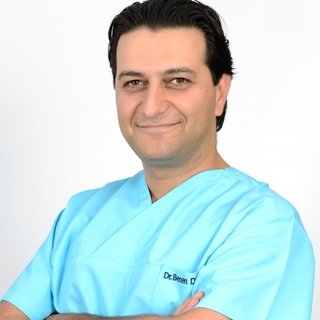
Dr Becen Demir
Periodontist. Graduated from Hacettepe University in 1999 and became a periodontologist in 2005. He teaches implantology, sinus lift, PRF, suturing and mucogingival surgery on fresh cadavers, in Türkiye and abroad.
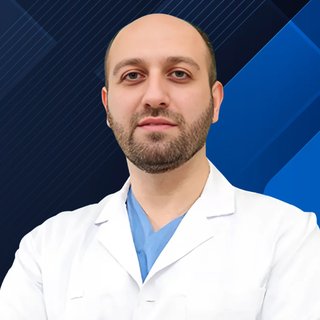
Dr Abdullah Özel
Oral and maxillofacial surgeon. Lecturer at Istanbul Medipol University. His interests include orthognathic surgery, virtual planning, bone augmentation and implantology.
From our CEO
Why implant dentists should train on cadavers
Dr Bülent Manav has spent more than fifteen years building cadaveric courses. He explains why they are worth doing whether you are about to place your first implant or your thousandth.
No. You are guided through every dissection step. A quick look at head and neck anatomy before the course helps you get more from it.
Will I get the donor’s details?
No. Each donor has a reference number only, and no information about their history is shared.
Can I work with a colleague?
Yes. Two delegates share one cadaver, and you can tell us who you would like to work with.
What happens to the cadavers afterwards?
The cadavers and tissue are buried in an area set aside by Istanbul Metropolitan Municipality, under the supervision of the authorities.
Is there an exam?
No. You receive a certificate after the course.
Also in Istanbul
This may also interest you
17–18 April 2027 · Istanbul
Advanced Implant Surgery Course (Cadaver Hands-on)
For dentists ready to treat more complex cases: grafting, sinus lifting, immediate implants, the Khoury and Urban techniques and soft tissue surgery, practised on fresh human cadavers.
One day of theory and one full day of hands-on practice, taught in Turkish with simultaneous English translation